


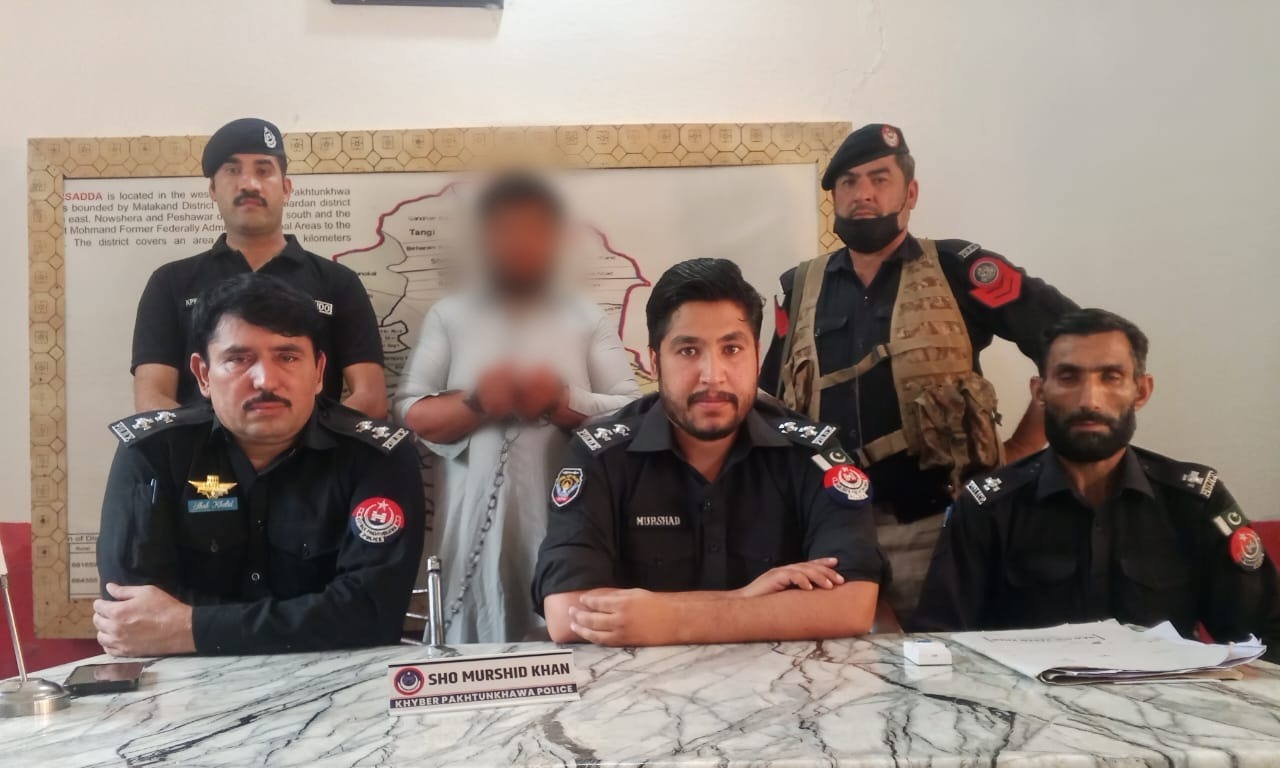
“I Kidnapped My Aunt to Marry Her; When She Refused, I Assaulted Her and She Died”
This statement has been attributed to a suspect arrested in a case from Charsadda that not only claimed the life of a woman but also once again raised a troubling question for society: how high a price do women in Pakistan pay for exercising their right to make their own choices and say no?
A woman identified as Mrs. (A), a resident of Umar Abad in the jurisdiction of Khanmai Police Station in Charsadda district, Khyber Pakhtunkhwa, was allegedly murdered by her husband's nephew. According to police, the victim’s husband filed a report on May 26, stating that his wife had been abducted by his nephew and several accomplices.
Police officials said that during the investigation, the main suspect confessed that he wanted to marry his aunt. However, when she rejected his proposal, he subjected her to violence, which ultimately led to her death.
According to investigators, after the killing, the suspect buried the body in nearby fields in an attempt to conceal the crime. He later tried to move the body to another location to destroy evidence, but police recovered the remains during their operation.
Also Read : Two Dead , 31 Injured as Storms, Strong Winds Batter KP
The accused was presented before a court and subsequently sent to jail on judicial remand.
The incident comes at a time when violence against women continues to be a major concern across Pakistan.
According to statistics from the Ministry of Human Rights, more than 173,000 cases of violence against women have been reported across the country in recent years, including murder, abduction, domestic violence, and sexual crimes.
Reports by human rights organizations indicate that more than 5,000 cases of violence against women were reported in 2024, while the figure exceeded 6,500 in 2025, reflecting an increase of nearly 25 percent within a year.
Experts caution that reported cases do not fully reflect the true scale of the problem. Social pressure, fear of stigma, family considerations, and complicated legal procedures often prevent victims or their families from reporting incidents.
According to women’s rights activist Zaima Munir, in many cases of violence against women, the perpetrators are not strangers but close relatives. She said the recent Charsadda case is a stark example of this reality, as the alleged killer is reported to be the victim’s own nephew.
Various reports by the United Nations have also highlighted that a significant proportion of women murdered worldwide are killed by intimate partners or close family members.
Legal experts argue that arresting suspects alone is not sufficient in such cases. Strong investigations and the collection of irrefutable evidence are equally critical. They warn that flaws in the initial investigation can make it difficult to secure justice in court later.
According to senior Supreme Court lawyer Shabbir Hussain Gagyani, if police fail to obtain timely physical remand or delay evidence collection, suspects may get opportunities to destroy evidence, influence witnesses, or create legal weaknesses in the case.
Several high-profile criminal cases in Pakistan have previously underscored how poor investigations and weak evidence can become major obstacles to justice, resulting in acquittals.
Human rights advocates stress that combating violence against women requires more than legislation. Effective implementation of laws, quality investigations, swift justice, and a broader change in societal attitudes are all essential. Otherwise, such incidents will continue to add to the statistics while affected families silently mourn the loss of their loved ones.
.jpeg)
.png)
1.jpeg)

Comments
No comments yet. Be the first 🙂