


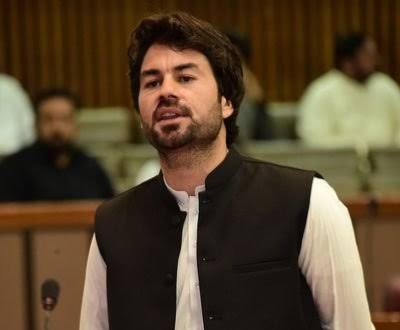
Minister of State for Tribal Affairs Mubarak Zeb has urged Prime Minister Muhammad Shehbaz Sharif to immediately reconsider the federal government's decision to withdraw tax exemptions for the merged tribal districts, PATA and Malakand Division under the 2026–27 federal budget.
In a letter addressed to the prime minister, he argued that at the time of the merger, the federal government had pledged special financial support and tax incentives to facilitate economic recovery, development and investment in these regions. He maintained that withdrawing the tax exemptions under the current circumstances would discourage investment, slow economic recovery and place an additional financial burden on local communities.
In a separate letter, Khyber Pakhtunkhwa Chief Minister Muhammad Sohail Afridi also requested the prime minister to defer the decision to withdraw tax exemptions for the merged tribal districts, PATA and Malakand Division. He said the existing exemptions should remain in place until the constitutional, financial and development commitments made during the merger are fulfilled and conditions in the region improve significantly.
Meanwhile, political parties, traders, tribal elders, industrialists and government representatives have also voiced concerns over the federal government's decision to end tax exemptions in the merged tribal districts (formerly FATA), PATA and Malakand Division, calling for the decision to be reviewed.
During meetings, press conferences and public statements held across various areas, stakeholders argued that the region has yet to fully recover from the impacts of terrorism, displacement and prolonged economic hardship. They stressed that tax exemptions should therefore remain in place.
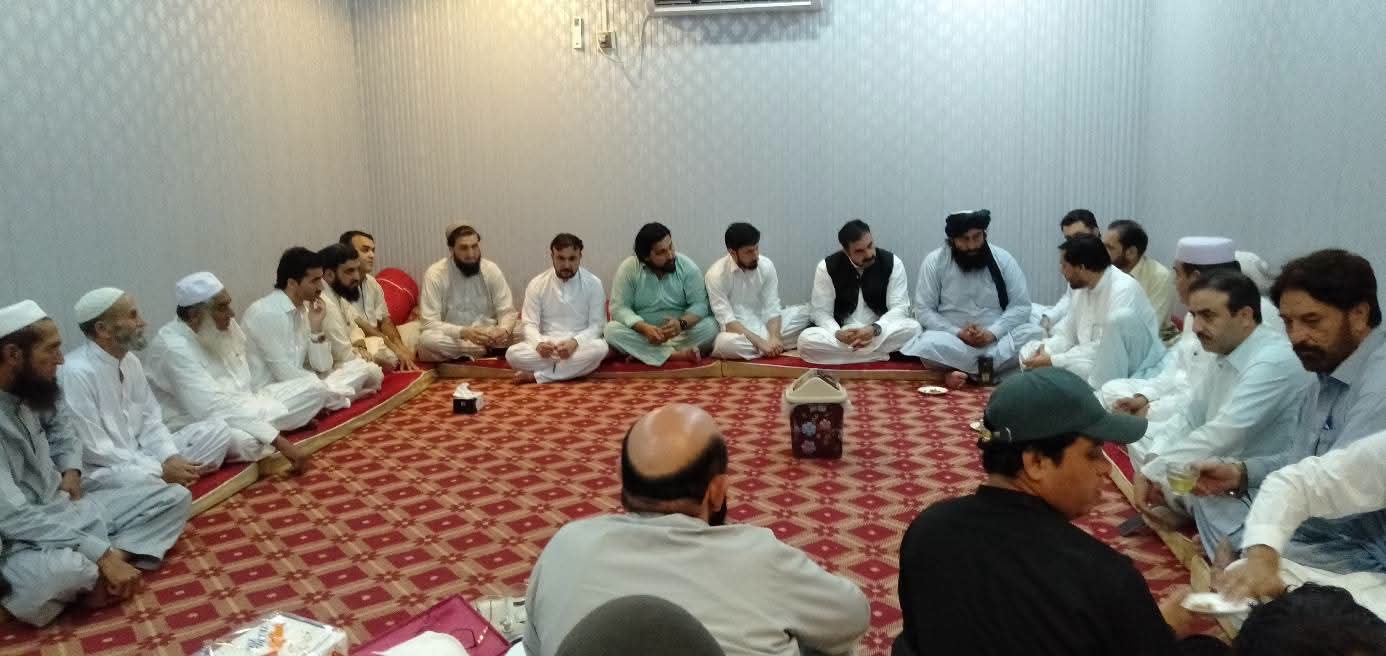
As part of these efforts, a grand meeting was held at the Akakhel National Council office in Bara, Khyber district, under the leadership of Jamaat-e-Islami Khyber chief Shah Faisal Afridi. The gathering was attended by traders, representatives of political parties, tribal elders and members of civil society.
Also Read :People Who Endured Terrorism Should Not Be Burdened With More Taxes': Amir Muqam
Participants unanimously stated that the region's infrastructure, education, healthcare, employment opportunities and business activities have not yet been fully restored. They noted that thousands of homes, educational institutions and commercial centres were damaged or affected by years of insecurity, arguing that imposing taxes under such conditions would place an even greater burden on residents and businesses.
The meeting decided to launch an organised public movement against the proposed tax measures and formed a core committee to develop its strategy. Participants urged the federal government to review its tax policy until development projects are completed, basic services are restored and employment opportunities are created.
Former federal minister Hameedullah Jan Afridi also opposed the proposed taxation, saying tribal communities have endured decades of terrorism, military operations, displacement, economic hardship and inadequate public services.
Speaking to TNN, he said the government should prioritise rebuilding infrastructure, improving healthcare and education, creating jobs and reviving economic activity before imposing taxes. He argued that taxation would not be appropriate until the merged districts receive facilities comparable to those available in other parts of the country. He added that if the decision is not withdrawn, all stakeholders would consult and determine their future course of action.
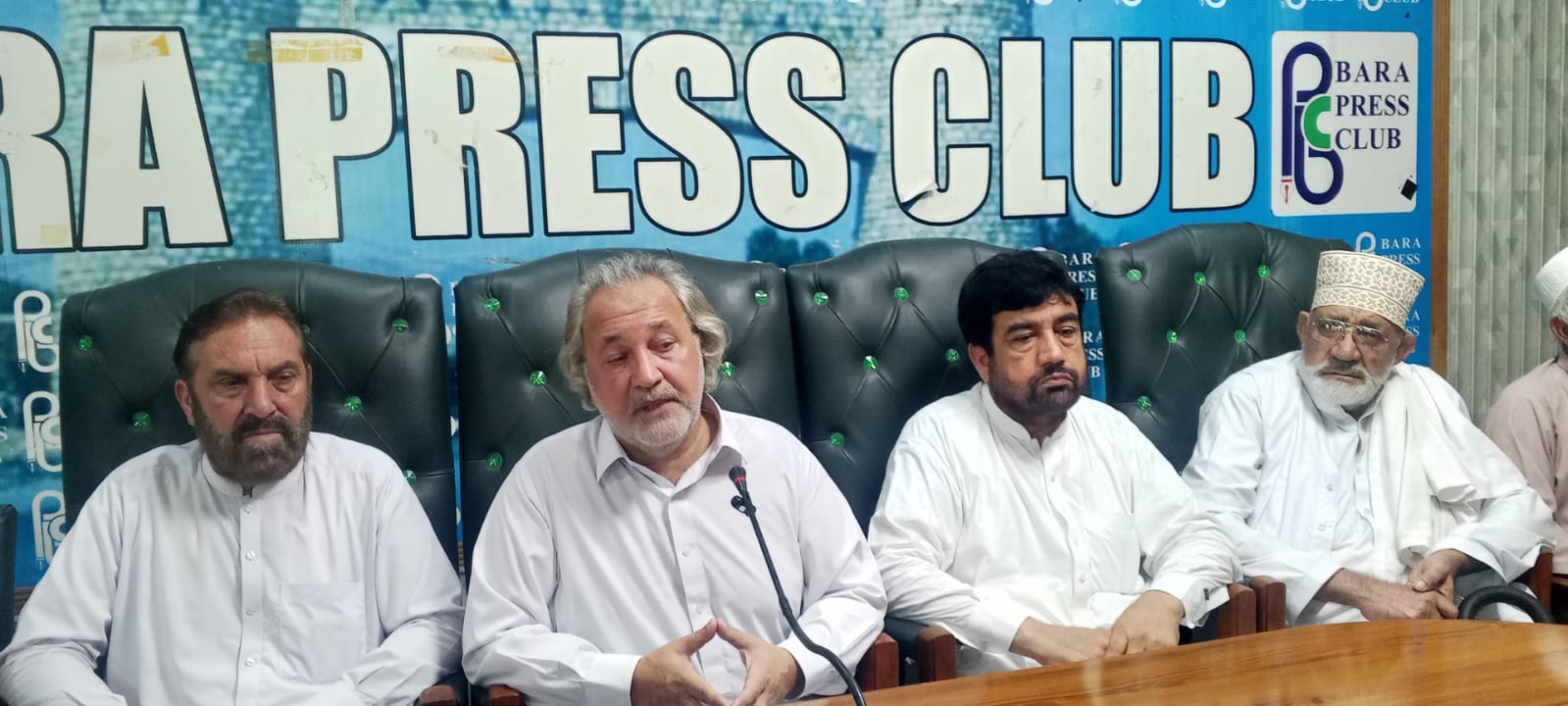
The Bara Traders Association also opposed the tax measures and demanded that the tribal districts be granted tax exemptions for another ten years. Speaking at a press conference at Bara Press Club, association president Syed Ayaz Wazir said that nearly twenty-five years of terrorism, insecurity, military operations and repeated displacement had severely damaged the local economy, businesses, homes and other assets.
He said many families are still struggling to meet their children's basic needs and cannot bear additional tax burdens under the current economic conditions. He urged the prime minister and the president to extend tax exemptions for the tribal districts for another decade, warning that a protest movement would be launched if the demand is not accepted.
Similarly, Jamrud Bazaar Traders Association President Kashif Iqbal Afridi, General Secretary Abdul Aziz Afridi and Finance Secretary Kamran Afridi said in a joint statement that years of insecurity, terrorism, military operations and repeated displacement have devastated the region's economy. They argued that imposing taxes at this stage would further undermine local businesses and investment, and therefore called for the continuation of tax exemptions for another ten years.
It is worth noting that the former Federally Administered Tribal Areas (FATA) were merged into Khyber Pakhtunkhwa under the 25th Constitutional Amendment in 2018, after which federal and provincial laws were gradually extended to the region.
Following the merger, various tax incentives were retained to support business activity in the merged districts, PATA and Malakand Division. However, the federal government began a phased withdrawal of tax exemptions in fiscal year 2025–26. Under the 2026–27 budget, the General Sales Tax (GST) on certain industrial imports and local supplies was increased from 10 percent to 12 percent.
On the other hand, traders, industrialists, chambers of commerce and political parties from the merged districts argue that these areas have suffered from four decades of terrorism, insecurity and displacement, and that infrastructure and economic activity have yet to recover fully.
They maintain that instead of withdrawing tax exemptions, the government should consult all relevant stakeholders to develop a mutually acceptable solution that balances the state's revenue needs with the region's economic recovery.
.jpeg)
.png)
1.jpeg)
Comments
No comments yet. Be the first 🙂