


.jpeg)
School is often considered a child’s second home. When the school environment is pleasant, safe, and friendly, children attend with happiness and enthusiasm. However, when the environment is unhealthy, children begin to avoid going to school.
Children spend more than half of their day at school, where they not only receive education but also develop their character, personality, and social skills. Unfortunately, when children with physical differences become targets of ridicule, they often experience sadness, isolation, and feelings of inferiority.
Sadly, in our society, it has become common to call people by hurtful names, regardless of whether they have a physical condition or not.
Many people do not consider hurting someone’s feelings a serious matter. Instead, they insult others in the name of humor and later try to dismiss it by saying, “I was only joking, don’t be upset.” What they often fail to realize is that while a joke may bring them a few moments of laughter, it can leave a lasting wound on someone else’s heart.
It is important to remember that the person making the joke may forget it quickly, but the person being mocked often remembers it for years. Sometimes, a single comment or nickname stays with a person for life and continues to affect their confidence.
Children with physical differences are especially sensitive to the attitudes of those around them. Many of them are already dealing with challenges related to their condition. When they are repeatedly called hurtful names at school, their emotional pain increases. They become hesitant to speak in class, ask questions, or participate in activities, gradually feeling disconnected from their peers.
Also Read : The Peace We Lost: Inside the Mental Health Struggles of Today’s Youth
In many schools, words that seem harmless are commonly used but can be deeply hurtful. A child with crossed eyes may be called “cross-eyed.” A child who wears glasses may be nicknamed “four-eyes.” A child with hearing difficulties may be called “deaf,” while a child who has trouble walking may be labeled “lame.” Such words not only hurt children emotionally but also weaken their self-esteem.
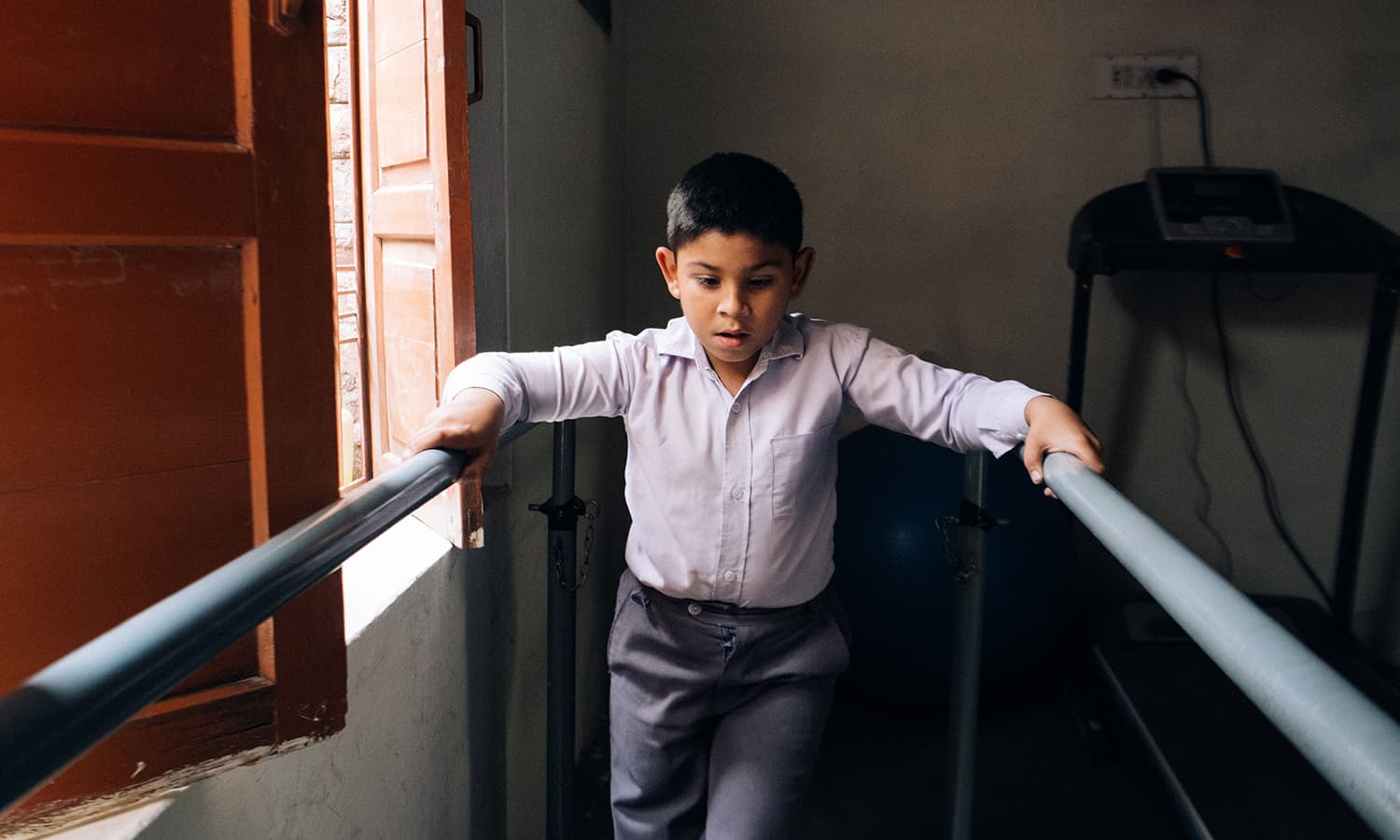
Sometimes children use these words playfully without realizing that a single comment can ruin someone’s entire day. A child who is already struggling with a physical condition may suffer even more when repeatedly mocked or humiliated by classmates.
These behaviors also negatively affect a child’s education. When a child is constantly reminded of their physical difference or weakness, they may lose interest in learning. They become anxious about attending school, participate less in class, and hesitate to showcase their abilities. Some children even hide their talents out of fear of being ridiculed.
Children who regularly face bullying and humiliation at school often experience declining academic performance, lower self-confidence, and reduced social interaction. On the other hand, when they receive respect, kindness, and encouragement, they tend to perform better and develop their talents more effectively.
Children who bully others are often further encouraged when adults dismiss the behavior by saying, “They are just kids,” or “It’s not a big deal.” However, very few people truly understand the emotional impact on the child who is mocked every day. Hurtful words heard during school years often remain in a person’s memory for a lifetime.
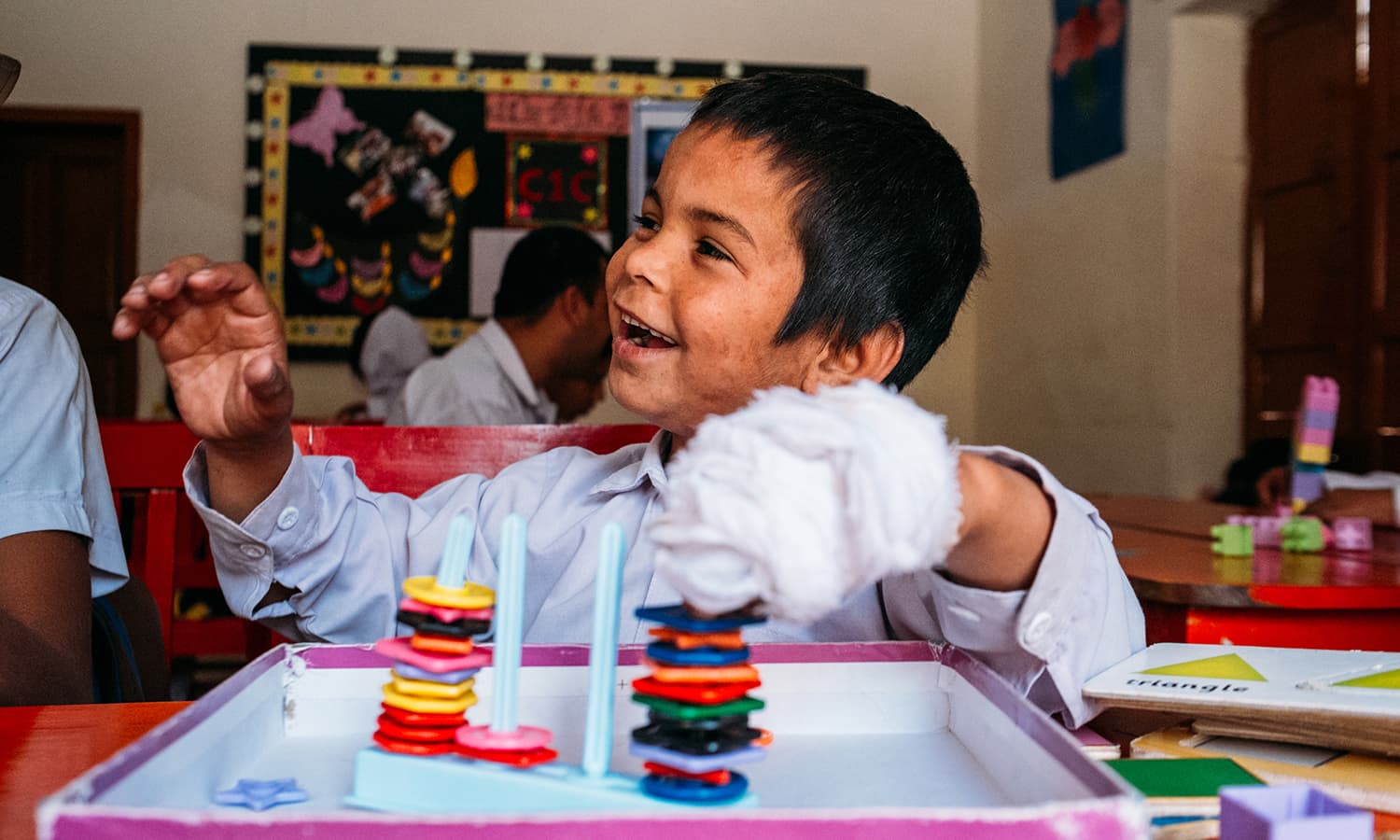
Parents have a responsibility to teach their children to respect others and understand that someone’s physical condition or difference is never a reason for ridicule.
They should encourage their children to befriend classmates with physical differences, include them in games and activities, and ensure they do not feel isolated. A good friend can make a significant positive difference in a child’s life.
Teachers also play a vital role. They should help students understand that every individual deserves dignity and respect. If a child mocks another student, teachers should provide timely guidance and address the behavior appropriately.
Teachers should encourage children with physical differences and provide them with opportunities to participate fully in classroom activities so they never feel inferior to others.
It is important to remember that a child’s physical condition or appearance does not define who they are. Their true identity lies in their character, hard work, abilities, and dreams. Every child deserves respect, kindness, and equal treatment.
School should be a place where every child feels safe, valued, and respected—a place where children learn to accept one another rather than mock one another.
If parents, teachers, and students work together to promote respect, empathy, and tolerance, schools can truly become places of learning and personal growth.
Because school is a place for learning—not for mocking others.
Note: This article reflects the personal opinion of the author and does not necessarily represent the views of the organization.
.jpeg)
.png)
1.jpeg)


Comments
No comments yet. Be the first 🙂