


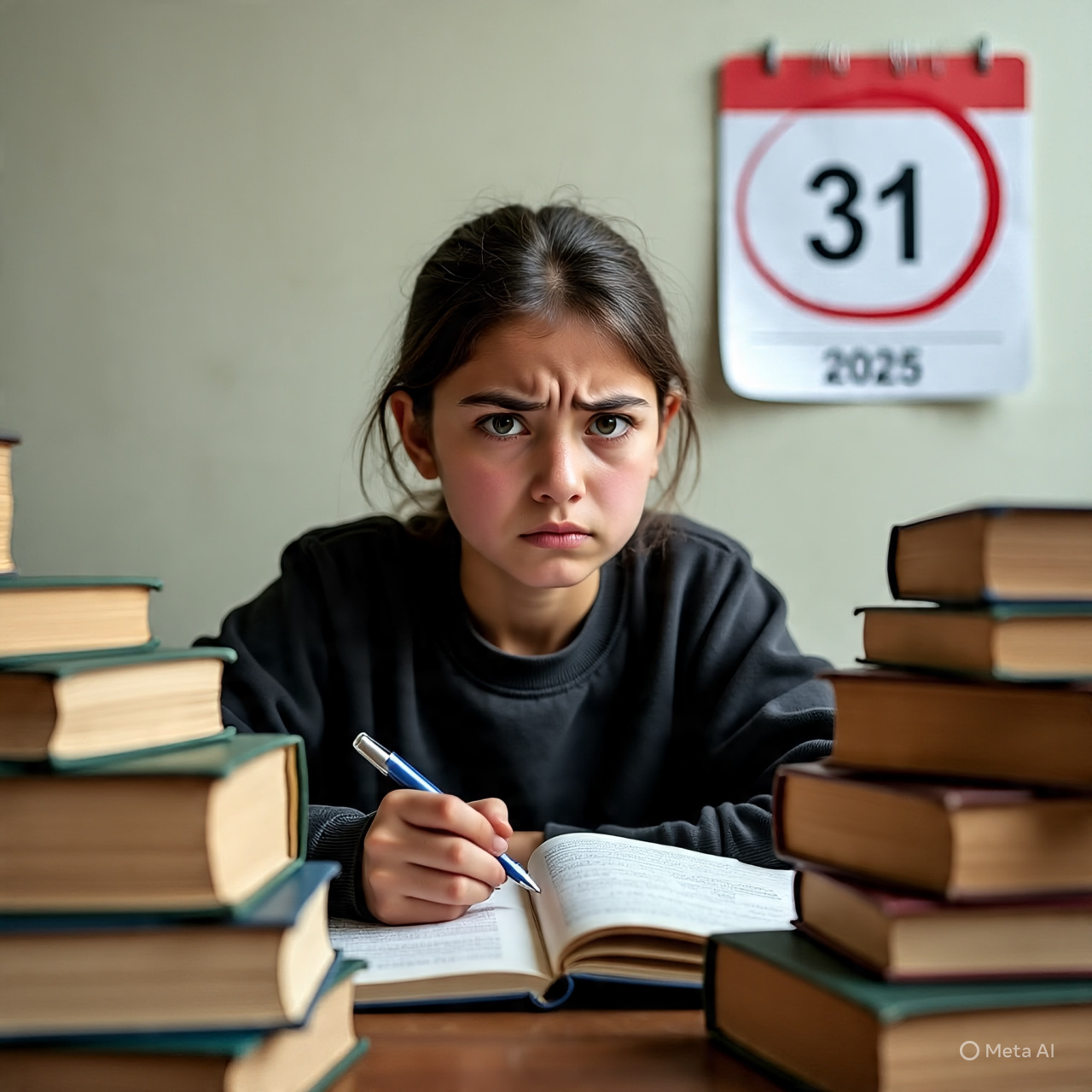
The Government of Pakistan has announced that all Afghan nationals must leave the country by 31 August 2025 or face arrest and deportation. The decision applies to every Afghan refugee without exception, including those holding Proof of Registration (PoR) cards, Afghan Citizen Cards (ACC), and those without any documents.
The announcement has sent shockwaves through Afghan refugee communities across the country, especially among students enrolled in Masters and MS programs whose years of study and family sacrifices are now at risk of being lost.
Thousands of Afghan refugees have been pursuing higher education in Pakistan, often overcoming immense financial and personal hardships. Many are in the second, third, or final semester of advanced degrees, just months away from graduation.
With no exceptions provided for students, the new deadline means they may be forced to abandon their studies midway. Incomplete degrees will not be recognized in Afghanistan, and the possibility of transferring credits is extremely limited. For many, this would mean starting over entirely, something that is not only financially impossible but also emotionally devastating.
For decades Pakistan has hosted millions of Afghans, providing a place of safety during years of conflict. Over time, many refugee families came to see education in Pakistan as an investment in their future, believing that knowledge and qualifications would help rebuild lives and strengthen communities. That investment is now in jeopardy.
Also Read: CTD Nabs Two Police Officials for Terror Facilitation in Kohat
Completing a Masters or MS degree in Pakistan typically costs between 700000 and 1000000 PKR. Refugee families often manage this only by selling land, livestock, or other assets, or by taking on heavy debts. If students are forced to leave before finishing their programs, these sacrifices will have been made in vain.
The human cost of this policy goes beyond finances. For many refugee students, education has been the only stable path in a life shaped by displacement. The looming deadline has created widespread anxiety on university campuses. Students report being unable to concentrate on classes, fearing that police action could begin at any time. Some have already left their courses, worried about harassment or detention.
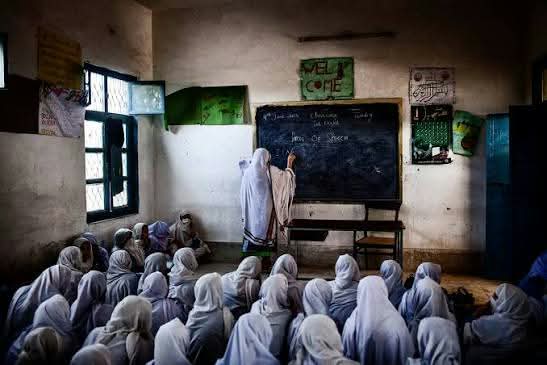
Among those most at risk are Afghan refugee girls. In Afghanistan, under current restrictions, girls are banned from secondary school and higher education. For them, being forced to leave Pakistan will not only interrupt their studies it will end them permanently. The classrooms they sit in today could be the last they will ever enter. Years of hard work, determination, and hope for a better future could be erased overnight. Dreams of becoming doctors, engineers, teachers, and leaders will be replaced with a future where they have no legal right to continue learning. The deportation deadline for these young women is not just a date it is a wall that will block their path forever.
Women face an even greater emotional toll. Many have fought against cultural, financial, and personal barriers just to reach the university gate. For them, Pakistan has been more than a host country it has been a place where education was possible, where ambition was allowed to grow. Returning to a place where the doors of education are shut to women means stepping back into enforced silence.
The policy has also raised concerns among educators. Many professors and university staff see their Afghan students as talented and hardworking individuals who contribute positively to academic life. They warn that removing these students not only wastes human potential but also damages the cultural and educational ties between Afghanistan and Pakistan. International human rights organizations have echoed these concerns, pointing out that the right to education is protected under global conventions to which Pakistan is a party. Some groups have urged the government to grant temporary protection or legal extensions to students until they complete their degrees.
Afghan students and their advocates argue that allowing them to finish their education would benefit both nations. Graduates could use their skills to contribute to stability and development in Afghanistan, while maintaining goodwill toward Pakistan. They point to Pakistan’s long history of hosting Afghan refugees as a sign that the country can find compassionate solutions that also respect security concerns.
Despite these calls, uncertainty remains. As the August deadline draws closer, students continue to attend classes and work on research projects, all while living with the knowledge that their time is running out. The situation has created an atmosphere of fear and hopelessness. For girls, especially, the countdown feels like watching the light of their future fade with each passing day.
If the policy goes ahead unchanged thousands of Afghan refugee students will be forced to leave their universities, pack away their books, and cross the border without the qualifications they have spent years working toward. The loss will be felt not only by the students and their families but also by the broader vision of education as a bridge between nations. An entire generation of educated young Afghans especially women who already face systemic barriers risks being left behind.
For now, these students wait, hoping for a decision that recognizes the value of their education and the years of sacrifice that have gone into it. Whether their hopes will survive the countdown to 31 August remains uncertain but for Afghan refugee girls, the stakes are nothing less than the right to learn to dream and to have a future.
.jpeg)
.png)
1.jpeg)
Comments
No comments yet. Be the first 🙂