

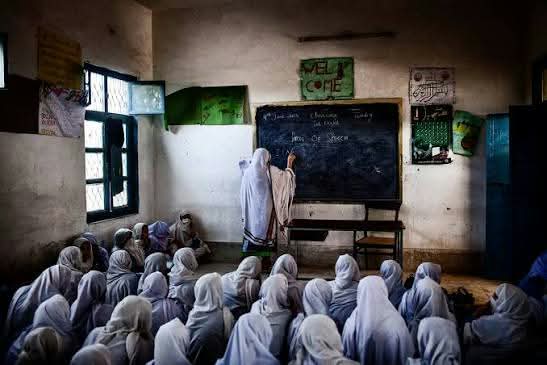
After the announcement of recent examination results in private schools, an atmosphere of joy and celebration can be seen in households across the country. Students are happy with their success and good marks, while parents feel proud of their children’s academic performance.
This is a moment both eagerly wait for, and this achievement is, in fact, the result of students’ hard work, teachers’ guidance, and parents’ continuous support.
As children bring their results home, happiness and satisfaction become evident on the faces of parents. They encourage their children and express good wishes for their bright future.
Also Read : Exam Chaos in KP: New Policy Leaves Students and Parents Under Pressure
However, along with this joy, a slight wave of concern also emerges, drawing attention toward upcoming educational expenses and responsibilities.
With the announcement of results, preparations for the new academic year begin, which include essential items such as books, notebooks, school bags, shoes, and uniforms.
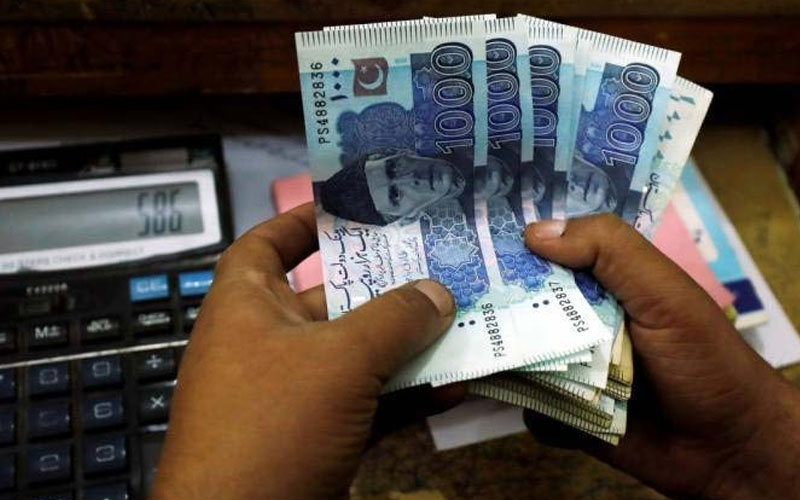
All these expenses put a noticeable burden on parents’ budgets, especially in households where more than one child is studying.
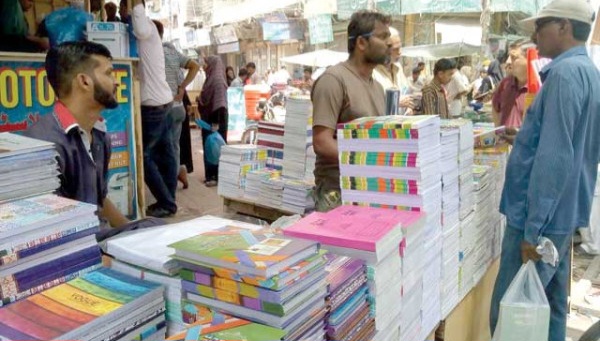
In recent years, a consistent and significant complaint from parents has been that some private educational institutions arrange the sale of stationery and uniforms within their campuses.
Students are often required to purchase books, notebooks, and other academic materials from specific shops, where prices are usually higher than the market rate. This practice results in unnecessary financial pressure on parents.
Moreover, some school administrations direct parents to buy uniforms and other educational supplies only from designated suppliers or stores, limiting their freedom to choose alternative and more affordable options.
Parents have long expressed concern and reservations about this situation, describing it as an additional economic burden.
In this context, the Government of Punjab has recently taken an important and noteworthy policy step by imposing a complete ban on the sale of stationery and uniforms within private school campuses.
The primary objective of this decision is to reduce financial pressure on parents and to keep educational institutions away from non-academic and commercial activities.
According to the government’s stance, the primary role of educational institutions is to provide quality education, not to generate profit through commercial activities.
Therefore, no private school will now be allowed to sell such items within its campus, nor can they force parents to purchase from a specific source.
However, education experts emphasize that merely announcing a policy is not enough; effective, consistent, and strict implementation is essential. If there are weaknesses in the monitoring system, some institutions may try to ignore these restrictions, which could undermine the effectiveness of this initiative.
Overall, while students’ success is certainly a source of happiness and satisfaction, the associated educational expenses remain an ongoing challenge for parents.
The Government of Punjab’s initiative can be considered a positive step in this direction, aimed at making the education system more transparent, fair, and affordable for parents.
If the Khyber Pakhtunkhwa government and the Government of Pakistan also adopt similar policies and take practical measures to reduce unnecessary expenses in educational institutions, it could significantly ease the financial burden on parents.
At the same time, it may improve educational standards and make access to education easier for the general public. Such measures will not only make the education system more equitable but also play an important role in building a stronger and more informed society.
Note: This piece is based on the author’s personal opinion, and it is not necessary for the organization to agree with it.
.jpeg)

1 Comments
Yes the govt should take same serious measures to address the said issue and also there must be some limit to fee also