


.jpeg)
Should a Woman Endure Violence to Save Her Home?
A few days ago, I was conducting a survey on domestic violence. During the survey, I asked children a simple question:
“Should a woman tolerate physical abuse in order to save her home?”
I was deeply shocked when many young girls answered without hesitation:
“Yes, she should.”
Their response stayed with me for a long time. Why had such a young girl already come to believe that a woman must endure violence to preserve her family? Why was she being taught that silence is what keeps a home together? How had a child, who had barely experienced life, already accepted that being a woman means suffering in silence?
The truth is that tolerating violence is neither bravery, sacrifice, nor wisdom. It is a profound injustice. Unfortunately, in our society, this mindset has become so deeply rooted that abuse is often disguised as patience and endurance.
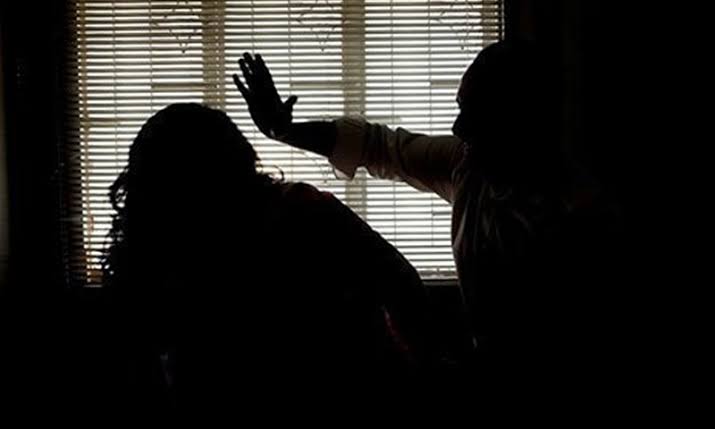
Many women remain silent for years out of fear that their families might break apart, their children’s future might suffer, or society might blame them. Yet we often forget that the children, in whose name this silence is maintained, are the ones who suffer the most from witnessing violence.
From an early age, women are taught that maintaining a household is their responsibility, that they must tolerate everything, and that a “good home” is one where a woman remains silent. These may sound like ordinary statements, but over time they become part of children’s thinking. As a result, they begin to believe that if a woman is being mistreated, she should stay quiet to keep the family intact.
Also Read : Celebration or Carelessness? The Growing Misuse of Snow Spray
But the question is: What is the value of a home that lacks dignity, peace, and safety?
If a woman lives every day under the shadow of fear, if she is beaten, humiliated, ignored, and subjected to constant emotional suffering, can simply sharing a roof truly be called a home? A home is not just a structure made of walls.

A home is a place where a person feels safe, respected, heard, and valued—a place built on love and trust.
Domestic violence is not limited to physical abuse. Harsh and humiliating words, constant intimidation, damaging a woman’s self-esteem, restricting her freedom, or making her feel inferior are all forms of violence.
Some wounds are visible on the body, while others are inflicted on the heart and mind and remain with a person for years.
What is most heartbreaking is that children witness all of this in silence. They may not say anything, but every scene is etched into their memory.
A boy may learn that power means dominating others, while a girl may learn that enduring injustice in silence is the hallmark of a “good woman.” In this way, harmful beliefs are passed from one generation to the next, trapping society in a cycle that continues to repeat itself.
For a moment, think about the little girl who answered my question by saying that a woman should tolerate violence to save her home. She must have learned that idea somewhere.
Perhaps she saw it in her surroundings. Perhaps someone advised her that way. Or perhaps she witnessed a woman silently enduring abuse. Her answer was not merely the opinion of one child—it reflected a collective mindset within our society.
We should not teach women to tolerate injustice. Instead, we should teach them to recognize the importance of their dignity and safety. They should know that their lives, their self-respect, and their peace of mind are just as valuable as anyone else’s.

Likewise, we must teach our sons that true strength does not lie in overpowering others but in controlling one’s anger. Respect, empathy, patience, and responsibility are the qualities that define a good human being.
Disagreements are a natural part of every relationship, but disagreement should never lead to violence. Problems can be resolved through communication, understanding, and mutual respect. Strong relationships are not those without conflict; they are those in which conflicts are handled wisely.
Building children’s self-confidence is equally important. When children believe in themselves, they are more likely to stand up against wrongdoing and respect the rights of others.
Parents and teachers play a crucial role because children learn from what they see and hear around them. If a home is filled with fear and violence, children will come to see it as normal. But if a home is built on love, respect, and peace, those values will become part of their character.
We should not teach children that women must endure everything or remain silent to save a family. Instead, we should teach them that every human being has the right to live with dignity and safety, and that there is no place for violence in any relationship.
Society will only change when our thinking changes. We should not teach women to endure abuse; we should teach them to recognize their worth, raise their voices, and live with dignity.
Today, we must instill in our children a mindset that values women’s dignity, encourages men to respond with wisdom rather than anger, and rejects violence in all forms. Because a home is not merely a collection of walls—it is a place of love, peace, and security.
Respect, not endurance, is the true foundation of a strong home.
Note: This article reflects the personal views of the author and does not necessarily represent the views of the organization.
.jpeg)
.png)
1.jpeg)




Comments
No comments yet. Be the first 🙂