



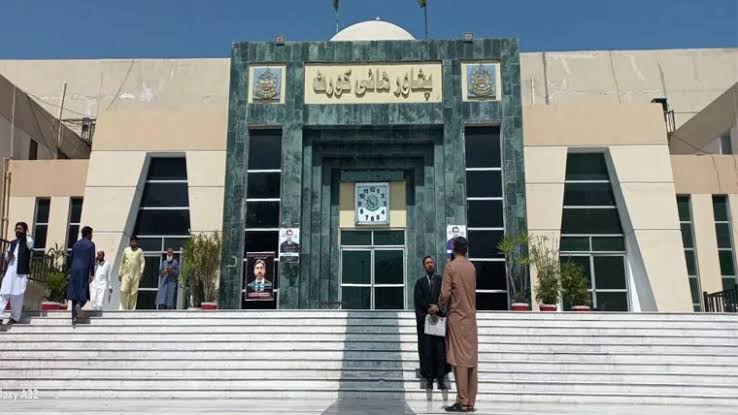
The Peshawar High Court upheld the life imprisonment sentence of a man convicted of illegal activities in a graveyard in Shahpur, including burning pages of the Holy Quran, spilling a dog’s blood, and allegedly performing black magic, and dismissed his appeal.
The 49-page written judgment was authored by Justice Sahibzada Asadullah. The court observed that black magic is a grave act that is not only against Islamic teachings but also contrary to the law of the land; therefore, the convict did not deserve any leniency.
According to the judgment, on May 7, 2021, Abdul Rahim and other individuals were present in a graveyard within the jurisdiction of Shahpur Police Station in Peshawar when they noticed two men engaged in suspicious activities.
Also Read : ‘I Have No Ties With Him’: Bannu Father Distances Himself From Son
Witnesses stated that the suspects were burning pages of the Holy Quran and dripping a dog’s blood onto them. People at the scene apprehended the accused, identified as Yousaf and Usman, and handed them over to the police.
Police recovered the burned pages, a knife, and other evidence from the site, while the injured dog was also taken into custody. During the trial, both accused were found guilty and were sentenced to life imprisonment along with other penalties.
In its ruling, the Peshawar High Court stated that Islam strictly prohibits black magic, seeking help from evil forces, and engaging in superstitious practices. The court noted that while visiting graveyards is permissible, involvement in black magic or similar activities there is religiously forbidden and legally punishable, as it contradicts Islamic teachings and beliefs.
Referring to various verses of the Holy Quran, the judgment stated that those who practice black magic will have no share of goodness in the Hereafter and that magicians can never succeed.
The court also cited a Hadith narrated by Abu Hurairah, in which the Prophet Muhammad (ﷺ) warned Muslims to avoid seven destructive sins, one of which is black magic.
Furthermore, the court observed that consulting fortune tellers, astrologers, or those who claim knowledge of the unseen is contrary to Islamic teachings. Such practices, it said, stem from ignorance, misguidance, and weakness of faith.
According to the written judgment, only the convict Usman had challenged the sentence, while the other convict did not file an appeal. After hearing all arguments, the court dismissed Usman’s appeal and upheld the trial court’s verdict.

.jpeg)
.png)
1.jpeg)



Comments
No comments yet. Be the first 🙂