


-1.jpeg)
By Iman Zahir Shah
We often feel encouraged when we hear that the rate of girls’ education in Pakistan is steadily increasing. Undoubtedly, this is a positive development, as education is considered the foundation of progress in any society. However, an important question remains: Is education alone enough? Does obtaining a degree automatically empower a girl?
The reality is that even today, many girls in our society are receiving an education but do not have the authority to make decisions about their own future. They are often denied the right to express their opinions, share their likes and dislikes, and participate in decisions that affect their lives. In other words, they are given education, but not empowerment.
The purpose of education is not merely to acquire academic knowledge or earn a degree. It is also meant to develop awareness, confidence, and decision-making abilities. If a girl is educated but others continue to make all the important decisions in her life, then that education fails to fully achieve its true purpose.
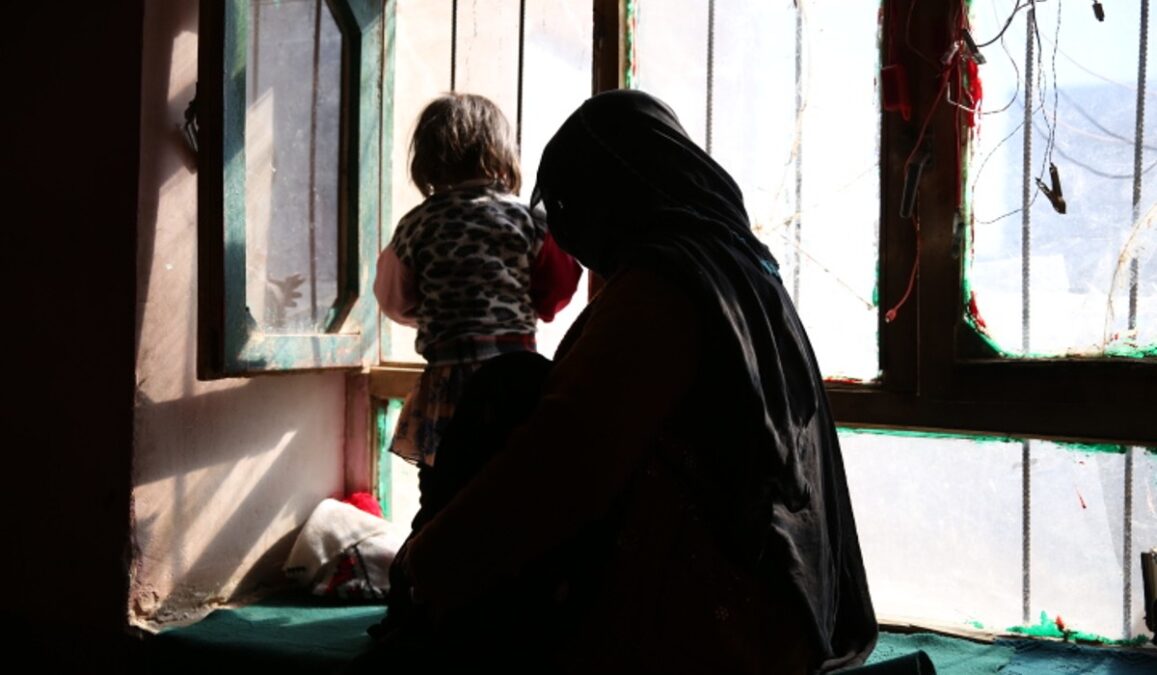
In this context, if we examine female literacy rates in Pakistan, we can see significant improvement over the past two decades. According to data from the Pakistan Bureau of Statistics, the female literacy rate was 34 percent in the fiscal year 2001–2002. It increased to 35 percent in 2004–2005 and reached 44 percent in 2007–2008. During 2010–2011, the rate remained between 45 and 46 percent.
Later, in 2019–2020, the female literacy rate rose to between 51 and 52 percent, while in 2024–2025 it was recorded at 52 to 53 percent. These figures indicate that educational opportunities for girls in Pakistan have continued to expand. However, the question remains whether their autonomy, decision-making power, and social influence have improved at the same pace.
Also Read : At 15, She Became a Bride. Her Dream of Becoming a Doctor Stayed Behind
A daughter of someone I know wanted to pursue engineering rather than medicine. However, due to her parents’ wishes, she was forced to enroll in medical studies. Today, she has lost interest in her education and feels uncertain about her future. When young people are not allowed to choose paths that align with their talents and interests, their confidence and performance often suffer.
This issue is not limited to education. Even today, many girls in our society have their marriages arranged without their full consent, despite the fact that marriage is one of the most important decisions in a person’s life and should primarily belong to the individual whose life will be affected by it.
From childhood, girls are often taught that “good girls stay quiet” or that “girls who speak too much are not well regarded.”
According to psychologists, the messages children repeatedly hear during childhood play a crucial role in shaping their personalities. If a girl is constantly encouraged to remain silent, tolerate everything, and suppress her opinions, she may grow up unable to speak openly against injustice, harassment, or exploitation. Such conditioning can later contribute to psychological stress, low self-esteem, and difficulties in decision-making.
Similarly, when a girl experiences physical or sexual harassment, parents or family members often advise her to remain silent out of fear that speaking up might affect her future or marriage prospects. As a result, the perpetrator escapes accountability while the victim continues to suffer emotional and psychological distress.
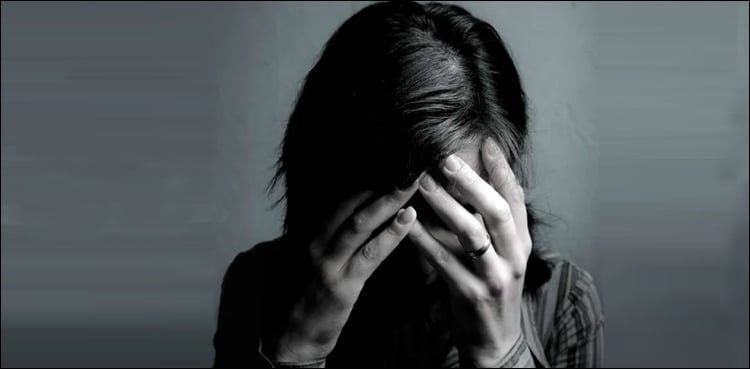
Research has shown that involving girls and women in decision-making has positive effects on families, children’s education, and economic stability. An empowered girl not only makes better decisions for herself but also passes confidence and awareness on to future generations.
We are willing to educate our daughters, yet we often hesitate to trust their decisions. The true purpose of education is to cultivate independent thinking and sound judgment, not merely to obtain a degree.
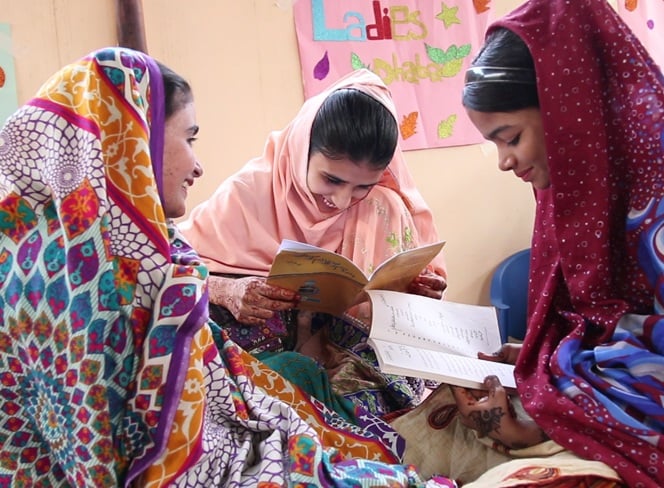
What is needed is not only education but also empowerment. Girls should be given the authority to make decisions, stand up against injustice, and shape their own futures. They should be able to pursue their dreams and aspirations rather than become the subject of another painful story.
Note: This article reflects the personal opinion of the author and does not necessarily represent the views of the organization.
.jpeg)
.png)
1.jpeg)

Comments
No comments yet. Be the first 🙂