


.jpeg)
Journalist Awal Sher Khan, former president of the Jamrud Press Club and correspondent for Daily Aain, was first threatened with death for publishing a news report and later faced legal action. He was accused of physically assaulting officials of the Jamrud Tehsil Municipal Administration (TMA).
Similarly, in January 2025, police registered a report against him over a news story regarding a local jirga between two parties. According to Awal Sher Khan, police threatened to arrest and physically torture him. Police, however, stated that the matter arose from a misunderstanding that was later resolved through mutual understanding.
Like journalists in other parts of Khyber Pakhtunkhwa, media workers in the former tribal districts face not only security threats while performing their duties but also increasing legal restrictions that limit their work.
Islam Gul Afridi, who has worked for BBC and other media organizations in Khyber Pakhtunkhwa for over two decades, says he has faced repeated threats and was once arrested without any crime being committed.
According to him, before the merger of the tribal districts in 2018, media restrictions under the Frontier Crimes Regulation (FCR), along with two decades of militancy and insecurity, created far greater challenges for journalists than those faced elsewhere in Pakistan.
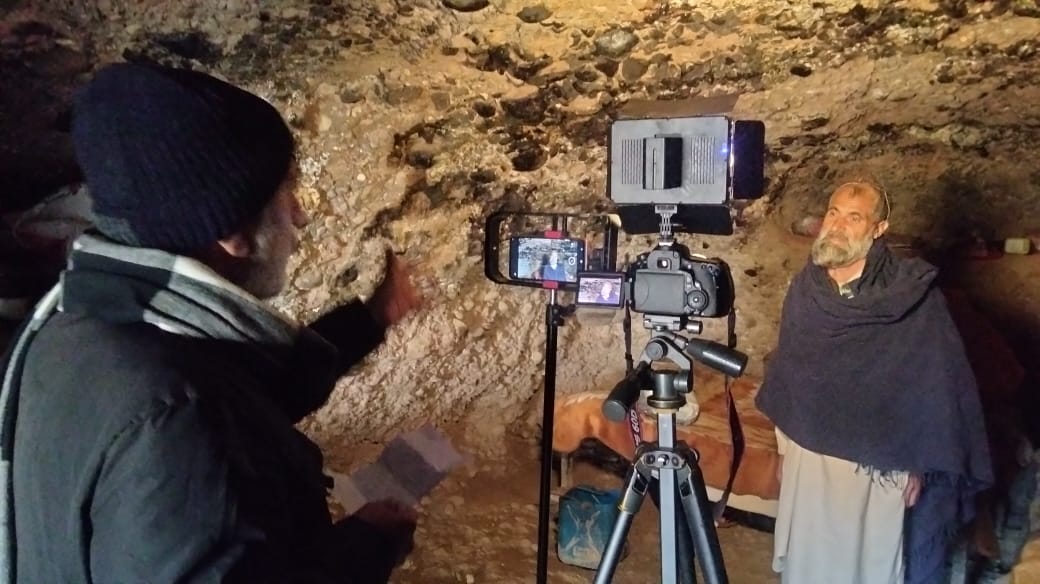
He says local traditions, state-imposed restrictions, and pressure from armed groups continue to limit journalists' ability to work freely.
Awal Sher Khan believes journalists face even greater difficulties today than in the past. He says that because of court appearances, threats from militants, and intimidation by unidentified individuals, many journalists avoid reporting sensitive stories.
Also Read : Peshawar: 15-Year-Old Girl Alleges Gang Rape, Blackmail Video Surfaces
Blasphemy and PECA Charges :
Senior journalist Haider Ali from Swat, associated with 24 News, had a case registered against him in March 2025 under Pakistan’s blasphemy laws and the Prevention of Electronic Crimes Act (PECA).
Haider Ali says he had reported on alleged police corruption. According to him, in response to that report, authorities used social media posts related to a school principal and a Christmas Day event from the previous year as grounds for filing a blasphemy case against him.
He says the case led not only to harassment of himself but also of his family, causing severe psychological and social pressure. Local residents, however, staged protests in his support and expressed solidarity with him.
Haider Ali says the ordeal forced him to step away from journalism for some time. Doctors advised him to rest and seek treatment for stress-related issues, and he now feels better after following medical advice.
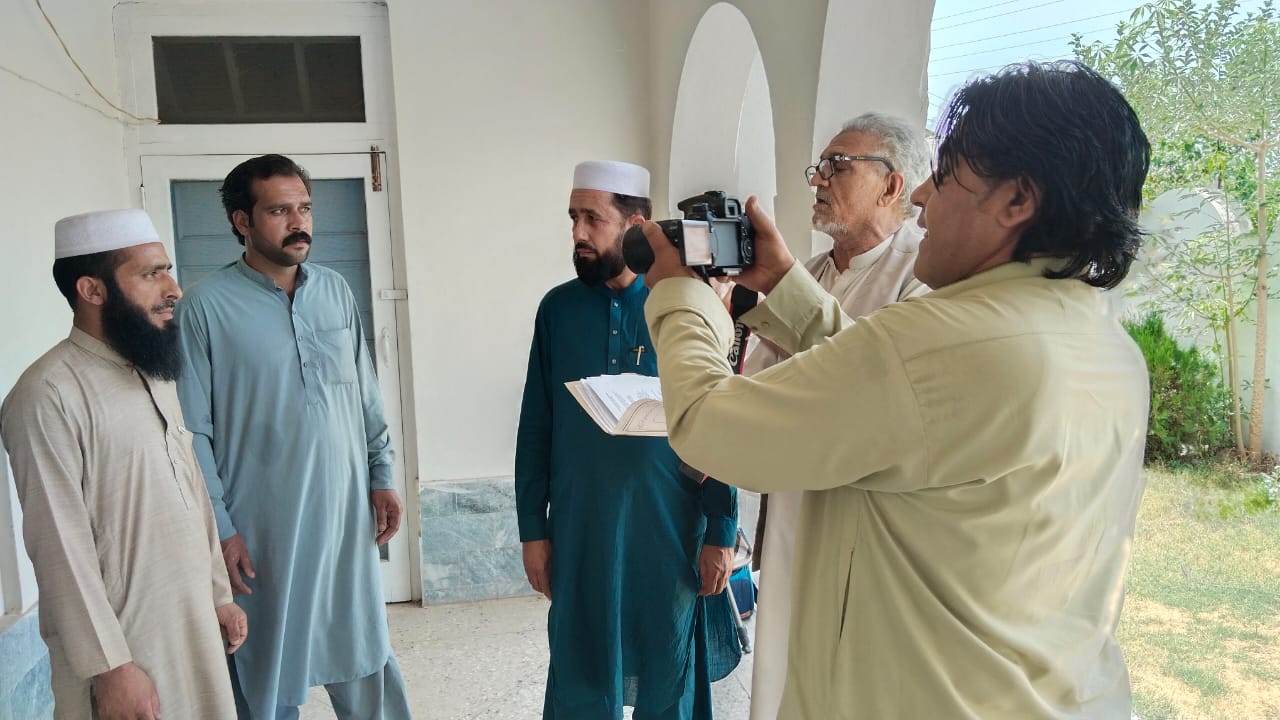
Khyber Pakhtunkhwa: A Dangerous Province for Journalists
According to Irshad Maidani, General Secretary of the Khyber Union of Journalists, unidentified individuals set fire to the home of journalist Meraj Khalid from South Waziristan in November 2025. Dozens of journalists and their family members have also received various threats.
A report by the media rights organization Freedom Network states that Khyber Pakhtunkhwa has become one of Pakistan’s most dangerous provinces for journalists due to threats, attacks, arrests, censorship, and legal restrictions.
Freedom Network reported that five journalists were killed across Pakistan in 2025, including two from Khyber Pakhtunkhwa, while at least 83 journalists and media workers faced different forms of threats and intimidation.
Reasons Behind the Challenges :
Naseem Shakir, a reporter for Daily Aain from Kurram District, says he has repeatedly received threats from police and government officials, including warnings of arrest and legal action.
Before the tribal districts were merged into Khyber Pakhtunkhwa, he says the political administration also threatened him with arrest on several occasions. After he published a report about absentee employees in the education department, influential individuals allegedly threatened him, and his brother lost his job in the department.
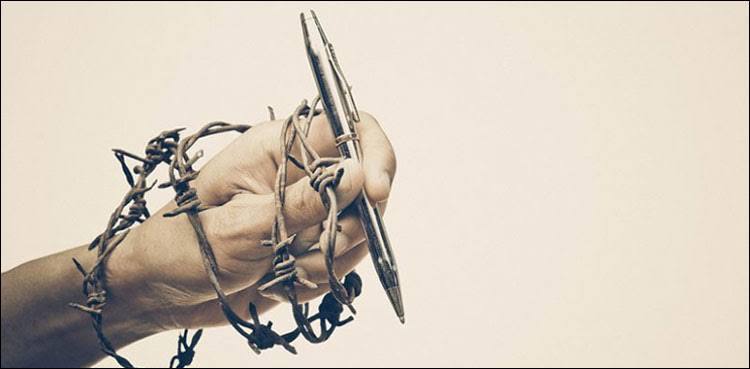
According to Naseem Shakir, while the merger ended many abuses associated with the political administration, new laws and pressure from armed groups have forced journalists to exercise caution.
“We often complete investigations and verify all aspects of a story,” he says, “but due to pressure from government institutions and armed groups, some reports never get published.”
The Khyber Union of Journalists says that since 2024, at least 22 cases have been registered against journalists in Khyber Pakhtunkhwa, including three under PECA.
Concerns Over PECA :
In January 2025, Pakistan’s National Assembly approved amendments to the Prevention of Electronic Crimes Act (PECA). The government said the purpose was to curb fake news and bring social media influencers and YouTubers under a legal framework.
The amendments also approved the creation of a new regulatory authority, tribunal, and investigative agency.
However, journalists, digital rights activists, and human rights organizations across Pakistan strongly criticized the legislation.
Under the law, content considered false, anti-state, inciting lawlessness, or causing fear among the public, government officials, or institutions may be deemed illegal. Hate speech, defamatory, sectarian, and obscene content is also prohibited.
The law further allows action against content that creates doubts about members of parliament, the judiciary, or the armed forces. Statements by leaders of banned organizations and content related to banned individuals or institutions may also be restricted online.
Journalists' Reservations :
Kashifuddin, President of the Khyber Union of Journalists Peshawar, says the implementation of PECA has increased the challenges faced by journalists.
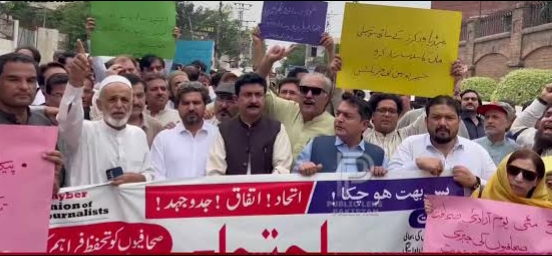
According to him, rather than being used solely to combat misinformation, the law is increasingly being used to pressure journalists.
He argues that one of the main concerns is that the law does not clearly define what constitutes “fake news.” Without a precise definition, almost any report can potentially be targeted, resulting in unnecessary legal cases against journalists.
Kashifuddin also says journalists have reported harassment through the National Cyber Crime Investigation Agency (NCCIA).
Media organizations, he adds, had demanded consultation with journalists and stakeholders before such legislation was enacted, but that consultation did not take place.
Senior journalist Iqbal Hussain Iqbal from Kurram District, associated with Khyber News, says that in the past, journalists in tribal areas were silenced through FCR, whereas today PECA is being used in ways that place pressure on both journalists and ordinary citizens.
He argues that the situation conflicts with principles of human rights and press freedom and can easily be used against journalists.
Legal Perspective :
Legal expert Advocate Bashir Wazir from Waziristan, who practices at the Peshawar High Court, says Pakistan’s Constitution guarantees fundamental rights and equality before the law.
He notes that freedom of expression is protected not only under Pakistan’s Constitution but also under international agreements to which Pakistan is a party. However, he says significant practical challenges remain.
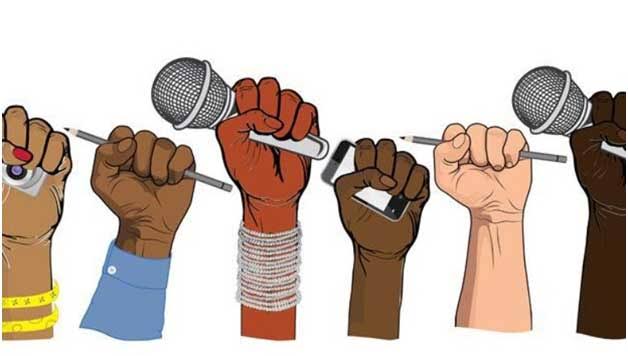
Haider Ali argues that while social media is flooded with fake accounts and misinformation, laws are rarely used against those responsible. Instead, prominent journalists are often targeted more easily, creating the perception that legal provisions are sometimes used to pressure media professionals.
Rising Self-Censorship :
Islam Gul Afridi says that because of PECA and other security concerns, many journalists in the former tribal districts have adopted self-censorship, resulting in important stories remaining unpublished.
He believes that with the growth of digital media and new technologies, journalists face evolving challenges and therefore need more training and awareness programs.
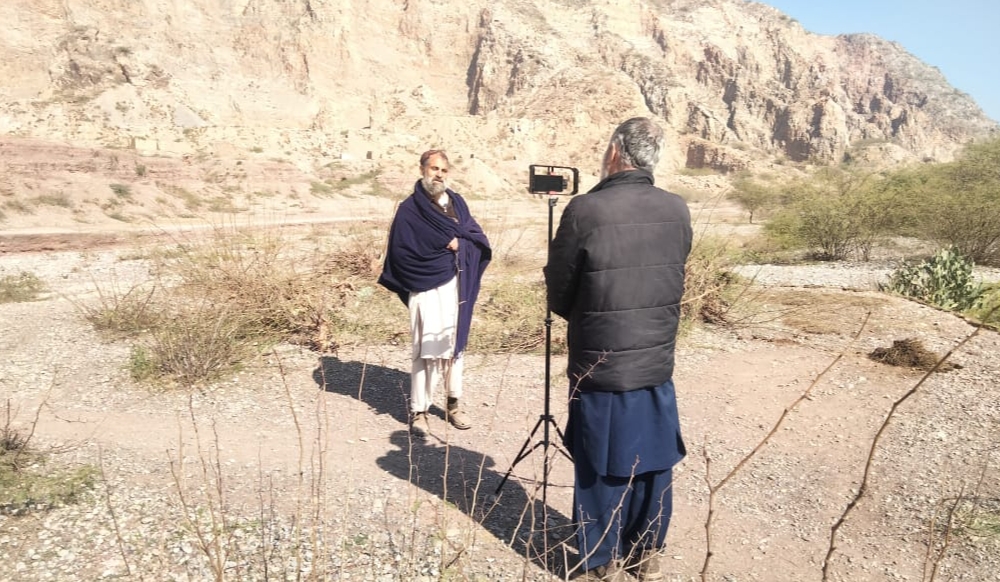
The experiences of journalists such as Haider Ali and Awal Sher Khan, along with statistics from journalist organizations, legal opinions, and concerns about freedom of expression, highlight the increasingly complex environment for journalism in Khyber Pakhtunkhwa, particularly in the former tribal districts.
While state institutions argue that laws are necessary to combat misinformation, hate speech, and online crime, journalists and human rights advocates warn about the potential misuse of such laws, growing legal pressure, threats, and increasing self-censorship.
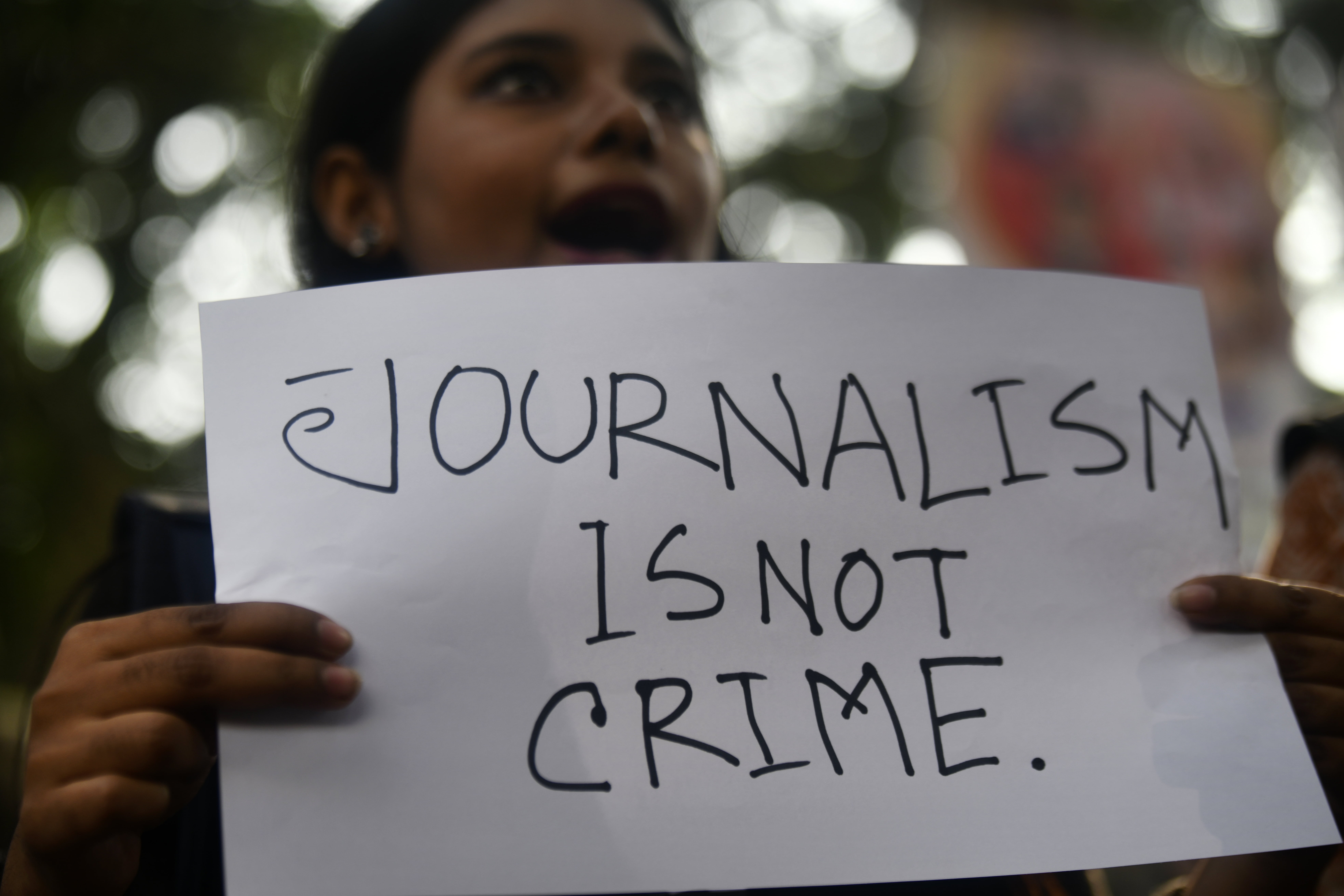
Journalists in Khyber Pakhtunkhwa face not only legal challenges but also security risks, social pressure, and threats from armed groups.
According to Irshad Maidani, achieving a balance between combating misinformation and protecting constitutional rights to free expression and press freedom is essential so that journalists can continue informing the public without fear while safeguarding both public and national interests.
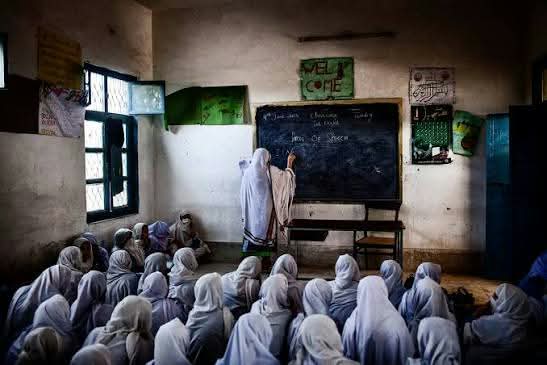
.jpeg)
.png)
1.jpeg)
Comments
No comments yet. Be the first 🙂