


_(1).jpeg)
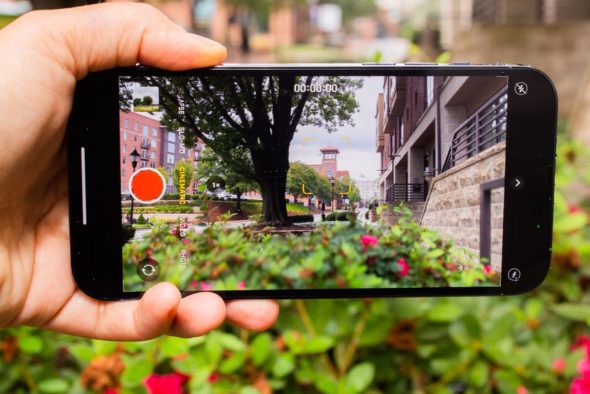
In today's modern world, the mobile phone has become an essential part of our lives. There was a time when people took photographs simply to preserve beautiful memories.
A picture from a trip, time spent with family, or a special occasion was captured so that years later those moments could be relived. Today, however, things have changed. Many people no longer take snaps just to preserve memories—they also do it to showcase their lives to others.
Almost every moment of our lives has become a snap. Whether we are traveling, eating, meeting someone, or simply going about our daily routine, the first thought that often comes to mind is to capture the moment. It feels as though we are not just living our lives but constantly presenting them to an audience.

Why is this happening? Are we truly preserving memories, or have we become part of an endless race to display our lives to others?
When we visit an expensive restaurant, the goal is no longer just to enjoy the meal. We also feel the need to photograph the food, the décor, the atmosphere, and ourselves. Sometimes we pay more attention to whether the picture looks good than to how the food actually tastes. We wonder what people will think, how many likes the post will receive, or perhaps even whether it will make others feel envious.
The same habit extends to everyday activities. Some people take snaps while visiting an ATM. Others photograph their cars, roads, or journeys while driving. Students share pictures of classrooms, books, and notes. It almost seems as though no activity is complete until it has been documented in a snap.

Taking photos is, in itself, a wonderful habit. Pictures preserve memories, allowing us to revisit moments spent with friends, family, and loved ones years later. A single photograph can transport us back to a cherished time in our lives. In that sense, snaps are a valuable treasure of our memories.
The problem begins when taking snaps becomes less about preserving memories and more about impressing others. When we start sharing everything just to earn praise, appear successful, or make people admire—or even envy—our lives, photos lose their emotional value and become a tool for showing off.
Also Read : Plundering Paradise: How Illegal Mining Is Destroying the Swat River
On social media, people usually share only the best parts of their lives. They post pictures of stylish clothes, luxurious places, achievements, and happy moments, while rarely revealing their struggles, disappointments, or failures. As a result, those viewing these posts may begin to believe that everyone else has a perfect life while theirs alone is lacking.
This comparison can gradually lead to feelings of inadequacy. People compare their entire lives to the carefully selected highlights of others, believing that everyone else is happier, more successful, and luckier. In reality, every life includes both joys and hardships. The difference is that social media often displays only the brighter side.
Our obsession with capturing every moment can also distance us from actually experiencing it. We may be surrounded by breathtaking scenery or spending precious time with family and friends, yet our attention remains fixed on taking the perfect photo, applying filters, and waiting for reactions online. The moment that could have brought genuine happiness is reduced to just another image.
We certainly should continue taking photos, but they should not exist solely to be shown to others. Some moments should belong only to us—moments we simply experience, cherish, and carry in our hearts. Not every joy needs to be shared with the world. Some memories are most valuable precisely because they remain personal.

We also need to understand that our true happiness does not depend on how many snaps we have or how many people view them. Real happiness lies in fully experiencing life, appreciating each moment, and living it wholeheartedly.
Taking snaps is a beautiful habit when its purpose is to preserve memories. But when it becomes a means of showing off, seeking validation, or constantly craving attention, it can diminish the value of life's most genuine moments.

Life is far more precious than any photograph or snap. We should not only capture our moments with a camera but also experience them with our hearts, because some moments are meant to be lived—not displayed.
Note: This article reflects the personal opinion of the author. The views expressed do not necessarily represent those of the organization.
.jpeg)
.png)
1.jpeg)




Comments
No comments yet. Be the first 🙂